
Enhancing Community Health: Strengthening Infectious Disease Prevention and Control (IPC)
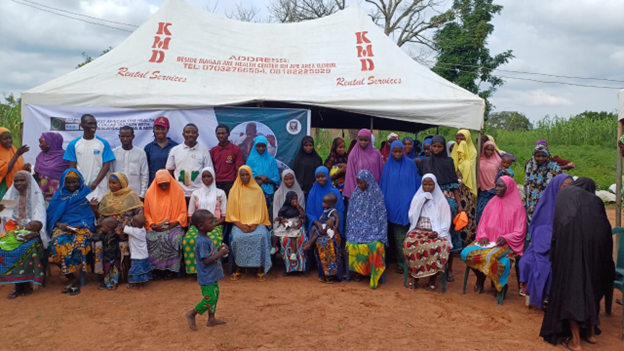
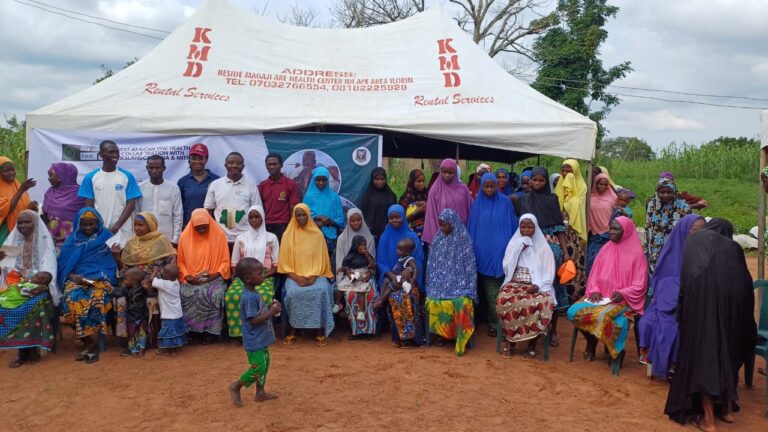
Enhancing Community Health through Infectious Disease Prevention and Control (IPC) emphasizes practical, community-driven strategies to reduce the spread of infectious diseases. CAN members, as frontline community leaders, are empowered with knowledge and tools to implement effective interventions that protect vulnerable populations. Core objectives include promoting improved hygiene and sanitation behaviors, strengthening early detection and reporting systems, and increasing participation in vaccination programs. Key IPC practices highlighted during training include proper hand hygiene, appropriate use of personal protective equipment (PPE), safe waste disposal, social distancing during outbreaks, and community-based vaccination campaigns. Practical examples such as mpox and yellow fever surveillance efforts, as well as community-led Lassa fever awareness campaigns focusing on rodent control and safe food storage, demonstrate how localized interventions can significantly reduce transmission risks.
Despite the benefits of IPC, implementation may face challenges such as limited financial and material resources and cultural beliefs or misconceptions that influence health behaviors. Addressing these barriers requires creative, low-cost solutions and culturally sensitive education that respects local traditions while promoting evidence-based practices. To strengthen planning and sustainability, CAN members are introduced to the SWOT (Strengths, Weaknesses, Opportunities, and Threats) analysis framework. This structured planning tool enables members to assess internal capacities and external conditions affecting their initiatives. The process involves brainstorming and categorizing factors, prioritizing those with the greatest impact, and developing targeted action plans. Strengths may include strong community networks and committed volunteers; weaknesses may involve limited funding or inadequate technical knowledge; opportunities may arise from government partnerships and grant access; while threats may include high zoonotic disease prevalence and misinformation that fuels resistance to interventions.
In conclusion, effective IPC implementation requires continuous learning, collaboration, and strategic planning. CAN members are encouraged to leverage their strengths, address weaknesses proactively, seize emerging opportunities, and anticipate external threats. Sustained commitment to IPC principles, combined with structured evaluation tools like SWOT analysis, will enhance community resilience, improve outbreak preparedness, and ensure the long-term sustainability of CAN-led health initiatives.