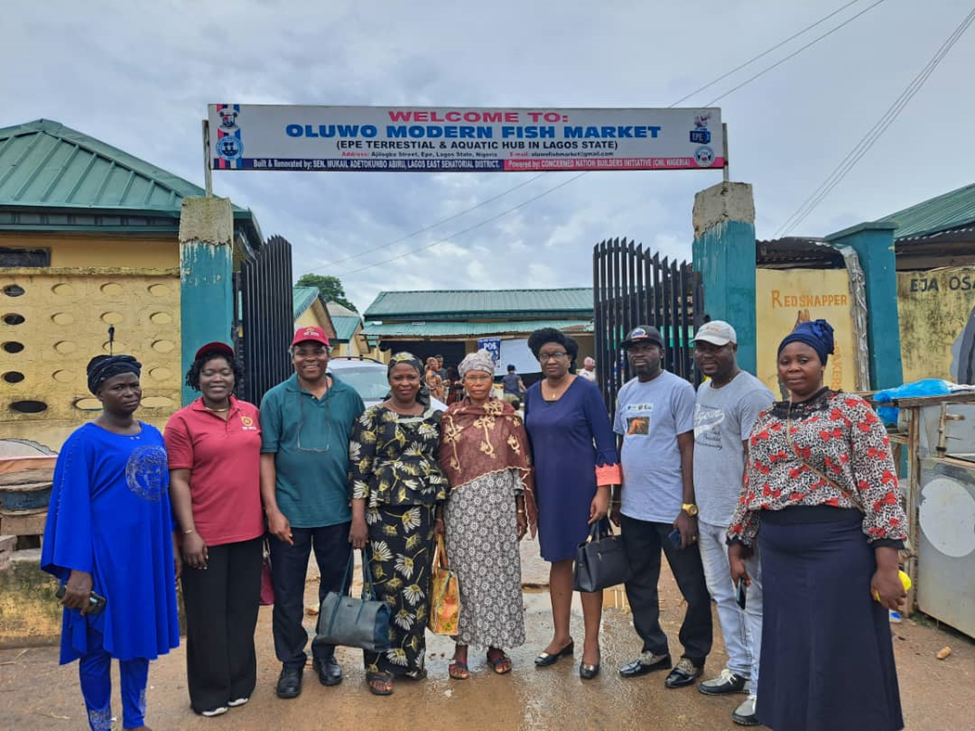
VISIT TO OLUWO AQUATIC AND TERRESTRIAL ANIMAL MARKET: POTENTIAL PROJECT SITE FOR ZOONOSES RESEARCH
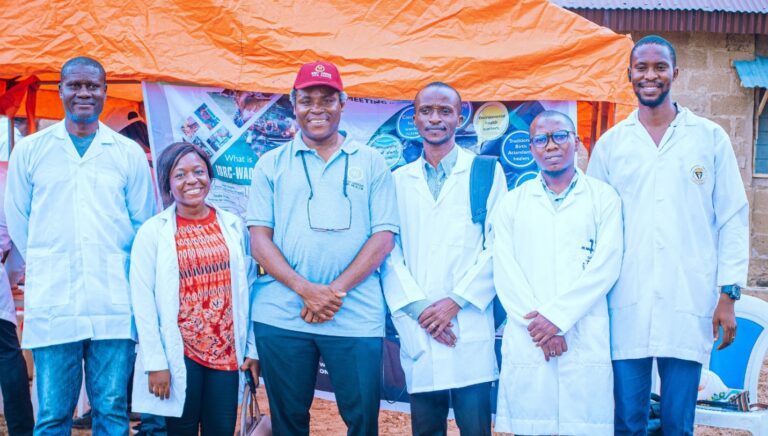
A visitation team comprising Prof. S.I.B. Cadmus, Dr. E.O. Cadmus, Prof. Morenikeji, and Miss Oluwatosin Fawole conducted an assessment visit to Oluwo Aquatic and Terrestrial Animal Market in Epe, Lagos State, Nigeria, identified as a potential project site under the WAOH/IDRC One Health Project. The purpose of the visit was to evaluate the market’s suitability for zoonoses research and gather relevant baseline information. The proposed project is anchored on the One Health approach, which promotes collaboration across human, animal, and environmental health sectors to strengthen surveillance, improve hygiene practices, and enhance early detection and response to zoonotic diseases at the animal-human interface.
The market, known for its wide range of aquatic and terrestrial animals, serves as an active daily trading hub attracting local and international buyers and sellers. It is structured into distinct sections for aquatic species, including fish and crocodiles, and terrestrial wildlife, particularly bush meat. The infrastructure consists of covered stalls, holding tanks, cages, and designated spaces for different animal groups such as reptiles, birds, mammals, and amphibians. Notable species observed during the visit included tropical fish, crocodiles, deer, and grass cutters, although some wildlife species were not present at the time of assessment. The diversity of species and structured layout highlight the market’s potential for zoonoses surveillance, research, conservation, and public health interventions.
The market operations appeared organized, with active bargaining and structured trading systems contributing to a dynamic environment. The team engaged with key stakeholders, including market youth leaders, market-women leaders, bush meat and hunters’ representatives, and individual sellers. These interactions underscored the importance of stakeholder collaboration for successful project implementation. Overall, the visit provided valuable insights into the site’s potential; however, careful consideration must be given to ethical implications, surveillance systems, hygiene promotion, and sustained community engagement. A comprehensive feasibility study is recommended to further assess viability and guide future interventions.